
International Journal of Clinical and Medical Research
ISSN Print: N/A
ISSN Online: 3134-8831
About: International Journal of Clinical and Medical Research (IJCMR) is an open-access, peer-reviewed journal dedicated to the publication of high-quality research in the field of clinical and medical sciences. The journal aims to provide a platform for researchers, clinicians, and healthcare professionals to share knowledge, exchange ideas, and promote scientific advancement in healthcare.
Publisher Responsibility
Lumina Quest Publishing is responsible for providing the journal with the necessary publishing infrastructure, editorial support, production services, digital preservation, and dissemination of published content. The publisher supports transparent and ethical publishing practices and ensures that the journal’s publishing operations are conducted in accordance with applicable scholarly publishing standards.
The publisher is also responsible for maintaining the journal’s website, publication systems, archiving arrangements, and administrative support while respecting the independence of editorial decision-making.
Editorial Responsibility
The Editor-in-Chief and Editorial Board are responsible for maintaining the academic and scientific quality of the journal. The editorial team oversees the evaluation of submitted manuscripts, selection and coordination of peer reviewers, editorial assessment and decisions, and adherence to the journal’s scope and ethical standards.
Editorial decisions are made independently on the basis of academic quality, originality, methodological soundness, relevance, and ethical compliance, without inappropriate influence from the publisher, authors, reviewers, or commercial interests.
Editorial Independence
The editorial team maintains editorial independence in all decisions concerning manuscript evaluation, peer review, acceptance, revision, and rejection. The publisher does not interfere with the academic judgment of editors or reviewers.
International Journal of Clinical and Medical Research | Year 2025 | Volume 2 | Issue 2 | Pages 26-29
Assessment of Healthcare Providers’ Knowledge on Needle Stick Injuries in Primary Care Centers: A Cross-Sectional Study in Erbil
Yassir Musa1 and Ahmed M. S. Hegazy 2*1Department of Radiology, College of Medicine, Al-Maarefa University, Kingdom of Saudi Arabia
2Anatomy Department, Faculty of Medicine, Northern Border University, Saudi Arabia
View PDF Download XML Download DOI XML DOI: 10.66590/ijcmr2025020203
Abstract
Objective: This study aimed to assess the level of knowledge regarding needle stick injuries among healthcare providers. Setting and Duration: The research was carried out in 25 primary healthcare centers located in Erbil city, Kurdistan Region, Iraq, over a period from March 2020 to August 2022. Methodology: A total of 687 healthcare providers, including nurses, physicians and paramedical staff, were enrolled in the study. Data were gathered through a structured questionnaire consisting of five items, specifically designed to evaluate knowledge related to needle stick injuries and their preventive measures. Results: Out of all participants, 402 (58.5%) were female and 285 (41.5%) were male. Nurses represented 41.5% of the total sample, while 39.9% of participants held diploma-level qualifications. Although more than half of the respondents had over ten years of professional experience, a significant majority 656 participants (96%) exhibited inadequate knowledge regarding needle stick injuries. Only 10.8% had previously received formal training on the subject. Additionally, 76.4% of participants showed limited awareness about the importance of hepatitis B vaccination as a preventive strategy. Conclusion: The study highlights a considerable deficiency in knowledge and preventive practices related to needle stick injuries among healthcare providers. There is a critical need for the implementation of standardized training programs and strengthening of occupational safety protocols to enhance awareness and minimize risks in healthcare environments.
INTRODUCTION
Needle Stick Injuries (NSIs) remain a significant occupational hazard for healthcare providers (HCPs) and represent a major global public health concern due to the transmission of more than 20 blood-borne diseases, including Hepatitis B, Hepatitis C and HIV [1,2]. Several factors influence the likelihood of NSIs, including the type of equipment used, sharps waste management practices, level of expertise among HCPs, availability of training programs and adherence to universal precautionary measures [3].
According to the National Monitoring System, incidents such as acupuncture injuries, percutaneous injuries, needle penetrations, or exposure to sharp objects contaminated with blood, tissue, or other bodily fluids are recorded and reported as part of preventive surveillance for healthcare providers [4]. Estimates from the Centers for Disease Control and Prevention indicate that approximately three million healthcare providers experience needlestick and sharps injuries annually, reflecting a substantial occupational burden [5,6].
Furthermore, factors such as extended working hours, fear of job loss and lack of awareness regarding safe needle handling contribute to the increased incidence of NSIs among HCPs. Inadequate knowledge, limited access to protective resources and improper use of Personal Protective Equipment (PPE) further exacerbate the risk. Although reporting of needlestick injuries are essential for effective treatment and prevention, underreporting remains a significant issue due to fear, negligence and lack of perceived importance [7].
Any program aimed at preventing blood-borne viral infections in the workplace must incorporate effective strategies for the prevention of Needle Stick Injuries (NSIs). An active infection control committee within each Primary Healthcare Center (PHCC) should be responsible for supervising and implementing infection prevention and control measures. The present study addresses the critical issue of NSIs by examining their prevalence among Healthcare Providers (HCPs), identifying contributing factors and exploring the circumstances under which these injuries occur. It also evaluates the potential for prevention through improved knowledge and awareness.
In addition, the study assesses HCPs’ awareness regarding NSI-related policies, proper sharps segregation at the point of use and the availability and utilization of safety measures to prevent such injuries [8]. Previous studies have reported varying prevalence rates of NSIs, with approximately 68% in Jordan [9] and around 30% in Turkey [10]. Another study reported that among 137 healthcare providers, 59.3% consistently recapped needles after use, with an average knowledge score of 3.8 [11]. Similarly, Sadoh et al. [12], found that nearly one-third (31.9%) of respondents reported routinely removing used needles.
Healthcare providers who are vaccinated against Hepatitis B and have developed immunity are considered to be at lower risk of infection. However, it remains essential to protect all healthcare workers from occupational exposure to blood-borne pathogens through comprehensive strategies, including immunization, proper use of Personal Protective Equipment (PPE) and adherence to standard safety protocols.
Therefore, this study aimed to assess the level of knowledge regarding NSIs among healthcare providers working in PHCCs in Erbil, Kurdistan Region, Iraq. Furthermore, it sought to identify gaps in knowledge and practices related to NSI management and to provide a foundation for implementing targeted educational interventions in future phases.
METHODS AND MATERIALS
A cross-sectional study was conducted from March 1, 2020, to August 1, 2022, across 25 Primary Healthcare Centers (PHCCs) in Erbil, Kurdistan Region, Iraq. The total sample comprised 687 Healthcare Providers (HCPs) working in these facilities.
Data were collected using a structured, self-administered questionnaire distributed among HCPs in primary healthcare settings. The questionnaire consisted of seven items designed to assess participants’ sociodemographic characteristics as well as their knowledge and awareness regarding Needle Stick Injuries (NSIs).
The reliability of the instrument was evaluated using the test–retest method. The calculated correlation coefficient was 0.90, indicating high reliability and consistency of the tool used to measure the knowledge level of HCPs.
Data analysis was performed using Statistical Package for the Social Sciences (SPSS), Version 24.
RESULTS
There were 687 competitors in all. Of the sample, 41.8% of participants were between the ages of 41 and 50, while 37% belonged to the age range of 31 to 40. The majority (83.3%) were Islam and more than half (58.5%) were female.
According to Table 1, nurses made up 41.7% of the sample, followed by doctors (12.9%), medical assistants (11.1%), dentists (9%), pharmacists (8.3%) and other specialists listed.
Table 1: Frequency and Percentage of Study Samples Concerning Details of the Type of Occupation (N = 687)
|
Dominos |
# |
% |
|
Work status |
||
|
Nurses |
287 |
41.7 |
|
Doctors |
88 |
12.9 |
|
Medical assistants |
76 |
11.1 |
|
Dentists |
62 |
9 |
|
Pharmacists |
57 |
8.3 |
|
Laboratory-technician |
54 |
7.8 |
|
Biologists |
41 |
5.7 |
|
Pharmacist-technician |
12 |
1.7 |
|
Biochemist |
9 |
1.1 |
|
Biochemist-technician |
1 |
0.2 |
|
Midwifery-technician |
1 |
0.2 |
|
Level of Education |
||
|
Intermediate school |
26 |
3.8 |
|
High school |
120 |
17.4 |
|
Diploma holder |
275 |
40 |
|
Bachelor degree |
223 |
32.5 |
|
MSc |
40 |
6.1 |
|
PhD |
3 |
0.4 |
|
Experience by years |
||
|
1-5 |
2 |
0.2 |
|
6-10 |
31 |
4.6 |
|
11-15 |
134 |
19.5 |
|
16-20 |
222 |
32.4 |
|
21-25 |
103 |
14.9 |
|
26-30 |
97 |
14.3 |
|
>30 |
99 |
14.3 |
|
Training received on NSI |
||
|
Yes |
75 |
10.9 |
|
No |
612 |
89.1 |
|
Working Departments |
||
|
Vaccinations |
125 |
18.1 |
|
Laboratory |
109 |
15.9 |
|
Pharmacy |
104 |
15.2 |
|
Dressing room |
95 |
13.8 |
|
Dental Clinic |
85 |
12.3 |
|
Medical department |
80 |
11.7 |
|
Maternity and Child |
59 |
8.5 |
|
Family regulation |
30 |
4.4 |
In terms of education, 32.6% held a bachelor's degree, while 40% held a diploma. Only 10.9% of the sample had received training, even though the majority had more than 11 years of experience. The participants were employed by several health facilities departments.
Less than 10% of individuals had intermediate awareness of Needle Strike Injuries (NSI), while nearly all participants lacked a strong understanding of the subject. Compared to basic cost, hand hygiene is the most efficient infection management approach; antiseptics are used to clean needle stick injuries; more than 50% of the sample lacked this knowledge.
Figure 1 indicates that 4% of participants got intermediate scores and 96% of health care providers had low knowledge scores.
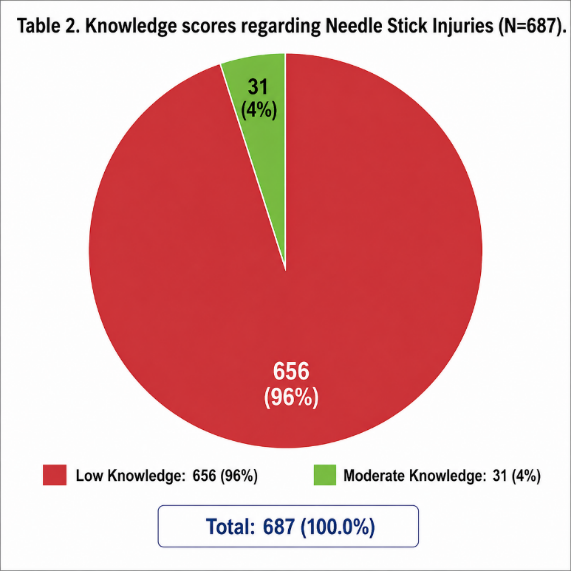
Figure 1: Knowledge Scores Regarding Needle Stick Injuries (N = 687)
The Doctors exhibited the highest percentage of knowledge (25.7%), followed by dentists (5%). The remaining professions showed lower percentages of knowledge (p<0.001). Furthermore, a noteworthy correlation indicates that 12.3% of those who had prior training have moderate knowledge, in contrast to 4.9% of those who had no prior instruction (p = 0.002) (Figure 2).
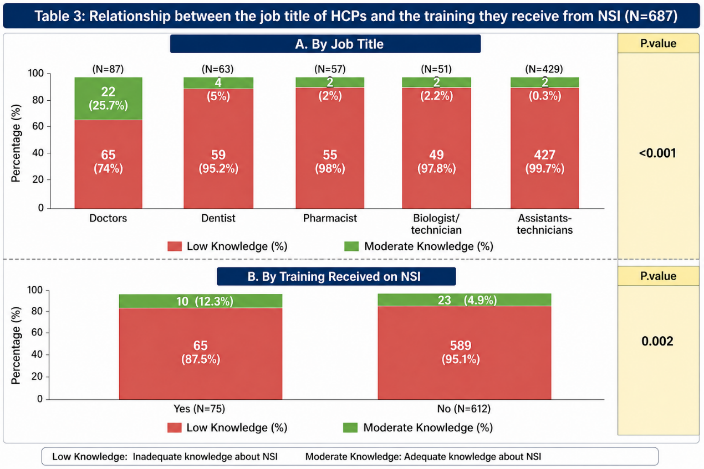
Figure 2: Relationship Between the Job Title of HCPs and the Training They Receive from NSI (N = 687)
DISCUSSION
The present study was conducted in Primary Healthcare Centers (PHCCs) under the Department of Health (DoH) in Erbil city to evaluate the knowledge, attitudes and practices of Healthcare Providers (HCPs) regarding Needle Stick Injuries (NSIs). The findings revealed that a considerable proportion of participants (40.8%) were aged between 41–50 years. This distribution reflects DoH policies, where experienced healthcare workers are often shifted to PHCCs after extended service in hospitals. A similar pattern was reported in a study by Uddine et al. [13], which assessed senior nurses’ knowledge of hospital waste management in Bangladesh.
Among the 687 participants, 401 (58.4%) were female, indicating a predominance of female healthcare workers, particularly in nursing roles. NSIs remain one of the most common and potentially serious occupational hazards among healthcare providers, with nurses being at particularly high risk due to the nature of their duties. Notably, 23.3% of participants lacked awareness regarding diseases transmitted through NSIs involving contaminated blood, highlighting a critical knowledge gap.
The study further demonstrated that needle recapping was the leading cause of NSIs, accounting for 50.9% of cases. This finding aligns with previous studies by Mobasherizadeh et al. [14] and Galougahi [15], which reported similar trends. These results reinforce existing recommendations to avoid recapping needles as a key preventive strategy.
Despite some awareness, gaps remain in comprehensive knowledge. While 96.5% of participants recognized that NSIs contaminated with blood can transmit Hepatitis B, overall knowledge levels were still inadequate. A significant proportion (95.8%) of HCPs demonstrated low knowledge, whereas only 4.2% showed moderate knowledge.
Participation in training programs was notably low, with 89.2% of HCPs reporting that they had never attended NSI-related training sessions. This finding is consistent with previous research conducted in Sulaymania, Iraq [16] and studies from India, which also reported low training participation rates. These findings emphasize the urgent need for regular and mandatory training programs to enhance knowledge and promote safe practices among healthcare workers.
Furthermore, although 67.4% of participants acknowledged the moderate importance of Hepatitis B vaccination in reducing NSI-related risks, this awareness alone is insufficient without proper implementation of preventive measures. A statistically significant difference in knowledge levels was observed among different professional groups, with doctors demonstrating relatively higher knowledge 25.8% compared to dentists 4.9% and other healthcare staff (p<0.001).
Additionally, a significant association was found between prior training and knowledge level, as 12.3% of trained participants demonstrated moderate knowledge compared to only 4.9% among those without training (p = 0.002). This finding supports previous research by Kumar [17], highlighting the positive impact of training on improving knowledge and awareness.
According to Singaporean research [18], syringe needles are the cause of injury for around 23.2% of healthcare workers, whereas professional nurses in Korea and Australia [19,20] report 52% of injuries. The conditions surrounding needle stick injuries have been the subject of contradictory studies worldwide. An American hospital study, for instance, found that the highest prevalence of needle stick injuries happened "after use and before disposal" [19,20]. In the current investigation, recapping a needle was involved in 42.1% of NSI incidents. According to Smith et al. [19,20], recapping needles is the most prevalent cause of Needle Stick Injuries (NSI) and a high-risk activity. The Occupational Safety and Health Administration of blood-borne pathogen regulations prevent recapping needles in the United States [21].
CONCLUSIONS
The findings of this study indicate that Healthcare Providers (HCPs) frequently engage in unsafe practices related to environmental safety and Needle Stick Injuries (NSIs), while their overall level of awareness remains inadequate. NSIs continue to represent a major occupational hazard for HCPs, posing significant risks for the transmission of blood-borne infections.
The study identified needle recapping as the most common cause of NSIs, contributing substantially to the occurrence of such injuries. This highlights the need for strict adherence to standard safety protocols and avoidance of unsafe practices.
There is an urgent need to implement comprehensive training programs and awareness campaigns focusing on NSI prevention and occupational safety. Strengthening education, promoting safe handling practices and ensuring compliance with infection control guidelines are essential steps to reduce the incidence of NSIs and protect healthcare workers.
REFERENCES
- Goel, V. et al. “Occurrence of needlestick injuries among healthcare workers of a tertiary care teaching hospital in north india.” J Lab Physicians, vol. 9, 2017, pp. 20–25.
- Morinaga, K. et al. “Analysis of needlesticks and similar injuries over 10 years from April 2004 at Tokyo dental college Chiba hospital.” Bull Tokyo Dent Coll, vol. 57, 2016, pp. 299–305.
- Smith, D.R. et al. “Organizational climate and its relationship with needlestick and sharps injuries among Japanese nurses.” Am J Infect Control, vol. 37, 2009, pp. 545–550.
- Leigh, J.P. et al. “California’s nurse-to-patient ratio law and occupational injury.” Int Arch Occup Environ Health, vol. 88, 2015, pp. 477–484.
- Lee, J.M. et al. “Needlestick injuries in the united states: Epidemiologic, economic and quality of life issues.” AAOHN J, vol. 53, 2005, pp. 117–133.
- Lee, L.K. and I.N. Hassim. “Implication of the prevalence of needle stick injuries in a general hospital in Malaysia and its risk in clinical practice.” Environ Health Prev Med, vol. 10, 2005, pp. 33–41.
- Gheshlagh, R.G. et al. “Underreporting of needlestick injuries among healthcare providers in Iran: A systematic review and meta-analysis.” J Hayat, vol. 23, 2017, pp. 201–213.
- Bastian, R.A. et al. “Ventriculoperitoneal shunt infection: A study about age as a risk factor in hydrocephalus pediatrics.” Open Access Maced J Med Sci, vol. 10, 2022, pp. 314–319. https://doi.org/10.3889/oamjms.2022.8251.
- Khraisat, F.S. et al. “Needle-stick injuries prevalence among nurses in jordanian hospitals.” Int J Public Health Clin Sci, vol. 2, 2015, pp. 7–16.
- Irmak, Z. “Needlestick and sharps injury among nurses at a state hospital in Turkey.” Aust J Adv Nurs, vol. 30, 2012, pp. 48–55.
- Janjua, N.Z. et al. “Poor knowledge is a predictor of nonadherence to universal precautions for blood-borne pathogens at first-level care facilities in Pakistan.” BMC Infect Dis, vol. 7, 2007, pp. 81.
- Sadoh, W.E. et al. “The practice of universal precautions among healthcare workers.” J Natl Med Assoc, vol. 98, 2006, pp. 722–726.
- Uddin, M.N. et al. “Knowledge of hospital waste management among senior staff nurses working in a selected medical college hospital of Bangladesh.” Journal of Waste Management, 2014, p. 573069.
- Mobasherizadeh, S. et al. “Needle-stick injuries in isfahan, Iran: Quality improvement.” BMC Proc, vol. 5, 2011, pp. 221.
- Galougahi, M.H. “Evaluation of needle stick injuries among nurses of khanevadeh hospital in Tehran.” Iran J Nurs Midwifery Res, vol. 15, 2010, pp. 172–177.
- Mohammed, S.M. et al. “Knowledge, attitude and practice of health care workers in sulaimani health facilities in relation to medical waste management.” Kurdistan Journal for Applied Research, vol. 2, no. 2, 2017.
- Kumar, R. et al. “Assessment of health care waste management practices and knowledge among health care workers working in the tertiary care setting of Pakistan.” Journal of Ayub Medical College, vol. 27, no. 4, 2013, pp. 1–9.
- Ng, L.N. et al. “Analysis of sharps injury occurrences at a hospital in Singapore.” Int J Nurs Pract, vol. 8, 2002, pp. 274–281.
- Smith, D.R. et al. “Epidemiology of needle sticks and sharps injuries among professional korean nurses.” J Prof Nurs, vol. 22, 2006, pp. 359–366.
- Smith, D.R. et al. “Needle sticks and sharps injuries among nurses in a tropical Australian hospital.” Int J Nurs Pract, vol. 12, 2006, pp. 71–77.
- National Institute for Occupational Safety and Health. Preventing Needle Stick Injuries in Health Care Settings. 1999.