
International Journal of Clinical and Medical Research
ISSN Print: N/A
ISSN Online: 3134-8831
About: International Journal of Clinical and Medical Research (IJCMR) is an open-access, peer-reviewed journal dedicated to the publication of high-quality research in the field of clinical and medical sciences. The journal aims to provide a platform for researchers, clinicians, and healthcare professionals to share knowledge, exchange ideas, and promote scientific advancement in healthcare.
Publisher Responsibility
Lumina Quest Publishing is responsible for providing the journal with the necessary publishing infrastructure, editorial support, production services, digital preservation, and dissemination of published content. The publisher supports transparent and ethical publishing practices and ensures that the journal’s publishing operations are conducted in accordance with applicable scholarly publishing standards.
The publisher is also responsible for maintaining the journal’s website, publication systems, archiving arrangements, and administrative support while respecting the independence of editorial decision-making.
Editorial Responsibility
The Editor-in-Chief and Editorial Board are responsible for maintaining the academic and scientific quality of the journal. The editorial team oversees the evaluation of submitted manuscripts, selection and coordination of peer reviewers, editorial assessment and decisions, and adherence to the journal’s scope and ethical standards.
Editorial decisions are made independently on the basis of academic quality, originality, methodological soundness, relevance, and ethical compliance, without inappropriate influence from the publisher, authors, reviewers, or commercial interests.
Editorial Independence
The editorial team maintains editorial independence in all decisions concerning manuscript evaluation, peer review, acceptance, revision, and rejection. The publisher does not interfere with the academic judgment of editors or reviewers.
International Journal of Clinical and Medical Research | Year 2024 | Volume 1 | Issue 2 | Pages 14-22
Phytochemical Profiling and Diuretic Potential of Dombeya wallichii: Implications for Hypertension Management
Malik Saadullah1 , Khizra Ishfaq2 , Ejaz Basheer3 , Saba Javed 4* and Maryam Farrukh51,2Department of Pharmaceutical Chemistry, Faculty of Pharmaceutical Sciences, Govt. College University, Faisalabad, 38000, Pakistan
3Department of Pharmacognosy, Faculty of Pharmaceutical Sciences, Govt. College University, Faisalabad, 38000, Pakistan
4Department of Pharmacy Practice, Faculty of Pharmaceutical Sciences, Govt. College University, Faisalabad, 38000, Pakistan
5Department of Pharmacology, Faculty of Pharmaceutical Sciences, Govt. College University, Faisalabad, 38000, Pakistan
View PDF Download XML Download DOI XML DOI: 10.66590/ijcmr2024010202
Abstract
In Africa and Madagascar's traditional medicine, Dombeya wallichii belonging to the family Malvaceae is claimed to possess powerful anti-hypertensive activity. However, as yet, the anti-hypertensive potential of Dombeya wallichii has not been investigated by scientifically controlled studies. This study was designed to investigate the anti-hypertensive potential of ethanolic extract of Dombeya wallichii. Phytochemical analysis of ethanolic extract of D. wallichii leaves and stem-root indicated that plant contain great amounts of phenolic and flavonoid compounds. Chemical constituents detected in Dombeya wallichii leaf extract (DWLE) were Chlorogenic acid, P-cumaric acid, Gallic acid, HB Acid, Sinapic acid, Salicylic acid and Benzoic acid. While Chlorogenic acid, P-cumaric acid, Sinapic acid, Vinallic acids were detected in Dombeya wallichii stem and root extract (DWSRE) through HPLC analysis. FTIR analysis of DWLE and DWSRE confirmed presence of different bioactive compounds containing a variety of functional groups, including alcohol and alkyl halide. As a result of DPPH, the ethanolic extract of plant displayed notable in vitro anti-oxidant activity. The plant extract was screened for its in vivo safety profile through acute oral toxicity study. Acute oral toxicity study was performed at the dose of 2000 mg/kg as a single oral dose. For the evaluation of diuretic study, 24 rats were divided into 4 groups each group contain 6 animals. First group served as a normal control, the second standard control was given furosemide (20 mg/kg), the third and fourth group served as a test groups. Diuretic activity was measured by giving DWLE and DWSRE ethanolic extract orally at a dose of 600 mg/kg to rats. All groups received 0.9 % N/S at the rate of 5 mL/100g of body weight. The cumulative urine output was measured at 6h, 12h and 24h time intervals. It was increased in DWLE group in contrast to DWSRE. Notably, Dombeya wallichii Leaf Extract (DWLE) and Dombeya wallichii Stem + Root Extract (DWSRE) demonstrated significant diuretic activity and had notable impacts on pH, Na+, K+ and Cl levels compared to the standard control (Furosemide) and normal saline. These findings suggest potential therapeutic applications for Dombeya wallichii extracts in modulating diuretic and electrolyte-related responses, but DWLE is more potent than DWSRE. When DWLE was compared DWSRE it showed statistically p < 0.05 (significant) results. These findings suggest potential therapeutic implications for Dombeya wallichii extracts in the context of renal function and electrolyte balance.
INTRODUCTION
Hypertension, also commonly referred to as high blood pressure, is a medical condition characterized by an elevated force of blood against the walls of arteries. Blood pressure is typically measured in millimeters of mercury (mmHg) and is denoted by two values: systolic pressure (the higher number) and diastolic pressure (the lower number), expressed as a ratio (e.g., 120/80 mmHg) [1]. Hypertension is often labeled as the "silent assassin" because it usually remains asymptomatic in its early stages. Nevertheless, if not addressed or controlled, it can result in severe health complications, including heart disease, stroke, kidney disease and other related issues. The causes of hypertension can vary and in many instances, the triggers remain unclear [2].
Sodium plays a vital role in blood pressure regulation. In individuals with hypertension, there is often an imbalance in sodium homeostasis, resulting in increased sodium reabsorption in the kidneys. This leads to sodium retention and increased fluid volume, ultimately elevating blood pressure[3]. Multiple molecular mechanisms, such as dysregulation of sodium transporters in the kidneys, abnormal activation of the RAAS and impaired renal function, contribute to sodium and fluid imbalance in hypertension [4].
Any part of the plant, including the leaves, bark, flowers, fruits and roots, can be used to make a plant-based medication [5]. Any bio-prospecting investigation must include systematic plant species screening with the goal of finding novel bioactive chemicals. A large number of vitamins, including -carotene, vitamins C and E, flavonoids and other polyphenolic compounds with high free-radical scavenging activity are present in the fruits of wild edible plants [6]. Strong evidence for the benefits of including fruits and vegetables in the diet for maintaining health and preventing diseases is provided by an epidemiological study [6].
Dombeya wallichii, also known as the Tropical Hydrangea or Pink Ball Tree, is a flowering plant species belonging to the family Malvaceae. It is native to tropical regions of Africa, including countries like Kenya, Tanzania and Uganda. In its native regions, Dombeya wallichii is sometimes used in traditional medicine. Different parts of the plant, including the leaves and bark, are believed to possess medicinal properties and are used to treat various ailments. Dombeya wallichii is used to get relief from stomach pain by few tribes in Thailand [7].
MATERIALS AND METHODS
Preparation of Plant Extract
Dombeya wallichii leaf and stem + root extracts was prepared via triple maceration, starting with the collection and washing of the plant. The leaves and stems were dried separately for 15 days, ground into powder and subjected to ethanol extraction using sonication. The extracts were filtered and the process was repeated thrice, followed by evaporation under low pressure using a rotary evaporator, resulting in two containers of processed extracts.
Approval by Animal Ethical Review Committee
Prior to performing animal studies in Govt. College University Faisalabad, approval from the animal ethics committee was obtained. Reference number issued was GCUF/ERC/267. This study was performed under the recommendations of the National Institute of Health regarding laboratory rodent ethics.
Phytochemical Analysis of Dombeya wallichii Extract (Qualitative)
The primary and secondary metabolites of Dombeya wallichii leaves and stem + root extracts such as total proteins, flavonoids and phenolic contents were analyzed [8].
Estimation of Total Proteins
The protein concentration in the sample was measured using the Subramanian method of 2007. As a benchmark, bovine serum albumin was used. One test tube must hold at least 100 µL of material. The sample was diluted between 5 and 100 µg of protein. Bovine serum albumin 2 mg/ml was added to 1000 mL of water to create the standard, which should have a concentration of 200–2000 micrograms. After mixing, the 4 ml of dye reagent incubated for roughly 10 minutes. The high range spectrophotometer was used to measure the absorbance (OD) at 595 nm [9].
Estimation of Total Phenolic Contents
Following Naz et al., the total phenolic content was determined using the Folin-Ciocalteu technique. A calibration curve was created with varying concentrations of gallic acid (0.01-0.10 mg/mL) in methanol. These solutions were mixed with Folin-Ciocalteu reagent and sodium carbonate (20%) and their absorbance at 765 nm was recorded over an hour to establish the curve. For sample analysis, the same reagent was mixed with a 0.001g/mL sample extract and after one hour, the absorbance at 765 nm was measured. This process was repeated three times for each determination and quantification was done using the gallic acid standard. Phenolic compounds in plant extracts were expressed as gallic acid equivalents (GAE) using the formula [10]:
T = C x V / M
Where,
T: Total contents of phenolic compound in mg GAE/g plant extract
C: The concentration of gallic acid calculated from calibration curve in mg/mL
V: The volume of extract in mL
M: The weight of plants extract in grams
Estimation of Total Flavonoid Contents
To determine the total flavonoid content, the method by Rehman et al., was employed. Specifically, 0.5 mL of the sample was mixed with 2 mL of distilled water and 0.15 mL of a 5% NaNO2 solution, followed by 6-minute incubation. Then, 0.15 mL of a 10% AlCl3 solution was added and after 6-minute incubation, a 4% NaOH solution was introduced. Methanol was used to adjust the volume to 5 mL and after a 15-minute incubation, the absorbance was measured at 510 nm [11]. From the catechin linear regression curve, the total flavonoid contents (TFC) of the extracts were represented as g catechin equivalents per mL of plant extract.
Fourier Transform Infrared Spectroscopy (FTIR) Analysis
Most frequently, FTIR is employed to check for functional groups or chemical bonds in sample material [12]. This method was used in order to carry out the methodology [13]. Plant crude powder extract was analysed qualitatively by FTIR.100mg of KBr were combined with 1mg of coarse sample powder to create a fine powder. Then, the powder was sent to the die, where a disc was made by hydrolytic pressure pressing. We obtained FTIR spectra from this disc using the 4000-400 cm-1 IR range. Then, peaks were contrasted with the typical peaks of organic substances.
High Pressure Liquid Chromatography (HPLC) Analysis
The aim of this approach was to simultaneously assess phenolic acids in a plant extract sample using Chromera HPLC with a C18 phase column (250 x 4.6 mm, 5 mm film width, 5 mm particle size, 30°C oven temperature) and a mobile phase of solvents A (acetonitrile: methanol, 70:30) and B (double-distilled water, 5% glacial acetic acid). A binary gradient solvent system allowed for separation of flavonoids (1-4) and phenolic acid (8-9) within 30 minutes at a flow rate of 0.8 mL per minute. Segregation factors exceeded 0.1 and resolution was set at 1.5. A UV visible sensor at 275 nm was used to identify phytochemical contents by comparing peak heights and retention periods to standard peaks. The sample was quantified using an external standard method and HPLC separation efficiency was determined based on separation variables and resolution[14].
Thin Layer Chromatography (TLC)
TLC was carried out to isolate the principle components present in extract. Chromatography was carried out on glass TLC plates measuring 10 cm by 20 cm that were covered with silica gel. Starting line was drawn 1cm away from one end of plate by using lead pencil. Ethanolic extract of leaves and stem+root in solution form was applied on the pre coated TLC plate in the form of dot by the help of capillary tube. Plate was then be placed in chromatographic tank having mobile phase in it. TLC plate was air dried and observed under UV light. The plate was sprayed with Godin's reagent followed by 10% sulfuric acid to visualize the bands using a Scott spray gun. Retention factor (Rf) values were calculated for different sample and these values was compared with standard [15].
In-Vitro Study
Quantification of Anti-Oxidant Potential
DPPH Radical Scavenging Activity: According to Shahid et al., the 2, 2-diphenyl-1-picrylhydrazyl (DPPH) radical scavenging assay was used to determine the sample's antioxidant potential. This method calls for mixing 3mL of sample with 1mL of freshly made 0.004% DPPH in methanol solution, which was then left in the dark for 30 minutes. Then, at 517 nm, absorption was discovered. A reaction combination with a low absorbance has a high level of radical scavenging activity. Analyses were also done on the typical antioxidant activity of ascorbic acid [16]. The solution devoid of plant extract served as the control. Three duplicates of each test were run. Following is a formula for calculating the % inhibition of DPPH radical samples.

Where,
A1 = Absorbance of sample
A0 = Absorbance of blank
The graph of the inhibition percentage against sample concentration was used to compute the sample concentration. Testing was done in triplicate. A positive control was ascorbic acid.
H2O2 Radical Scavenging Activity
The principle of the reaction was to neutralize hydrogen peroxide (H2O2) with an antioxidant, which will speed up its breakdown into water molecules. 2 ml of the standard or extract that had already been produced in methanol were combined with 1.2 ml of the H2O2 solution (40 mM) in phosphate buffer (0.02M) (pH = 7.4). After 10 min at room temperature, the absorbance was measured at 230 nm. The following formula was used to determine the H2O2 radical's scavenger activity percentage:
Inhibition (%) = [(Abs Control-Abs Sample)/Abs Control] X 100
In-Vivo Study
In vivo studies were performed to evaluate acute toxicology and diuretic activity of Dombeya wallichii.
Animal Husbandry
Wistar rats weighing (150–200 g), aged 8-12 weeks were taken. Rats were obtained from the animal house of Government College University Faisalabad. For acclimatization, the rats were retained in animal houses under standard environmental conditions i.e. in 12 hrs a day and 12 hrs night cycle, temperature 24±2 °C, relative humidity 30-60 % for five days before starting dosing in Government College University Faisalabad. The rats were fed with water ad libitum and a standard rodent diet. The food was not given to rats overnight before the dose but they were free to drink water.
Acute Oral Toxicity Study
In accordance with OECD TG 425 guidelines, healthy Wistar rats weighing 150-200 g and aged 8-12 weeks were sourced from Government College University in Faisalabad for an investigation into the effects of a single oral dose of the ethanolic extract of D. wallichii. These rats were acclimatized for five days under standard environmental conditions, including a 12-hour light-dark cycle, 24°C temperature and 30–60% relative humidity. During this period, they had access to a regular rodent diet and water. After a brief period of water deprivation, they received an oral dose of 2000 mg/kg based on their body weight and were closely monitored for signs of toxicity in the first 30 minutes and subsequent 4 hours. Food was provided to them two hours post-dosing. Subsequent rats received the same dose after the initial treated rat showed no signs of adverse effects. A control group of five rats received their regular diet. Over the initial 14 days, the rats were closely observed for any signs of toxicity. Anesthetic, chloroform, was administered before blood collection via heart puncture for hematological tests. Euthanasia was performed through cervical dislocation, followed by the removal and preservation of vital organs like the heart, liver and kidney in a 10% formalin solution for later histological analysis.
Determination of Diuretic Activity
Standard humidity and temperature levels were maintained for the experimental animals in order to study the diuretic effect of ethanolic extract of Dombeya wallichii.
Study Design
A group of twenty-four rats experienced water deprivation for a period of 18 hours, during which they had access to food. Their urinary bladders were emptied by gently applying pressure to the pelvic region and pulling their tails. After this, each of these rats was given 15 ml of isotonic saline solution (0.9% w/v NaCl) orally, which was aimed at providing a consistent water load. Following a duration of forty-five minutes, these rats were randomly divided into four groups, with six rats in each group n = 6 [17].
- Group 1: Normal control group
- Group 2: Standard control treated with furosemide 20mg/kg, orally
- Group 3: Administered ethanolic leaf extract of Dombeya wallichii 600 mg/kg orally.
- Group 4: Administered ethanolic stem + root extract of Dombeya wallichii 600 mg/kg orally
Each rat was placed into individual metabolic cages and the cumulative urine output was measured every hour for a period of 5 hours. The color of the urine was also observed. In an effort to understand the general mechanisms at play, the urine samples collected from these groups underwent the following investigations: pH levels were determined using a pH meter, levels of Na+ and K+ were measured using flame photometry with a compact atomic absorption spectrometer from GFS Scientific Equipment, osmolarity was assessed using an Osmometer (Type TW2) from Advanced Instrument, specific gravity, glucose and proteins were analyzed using strips. Subsequently, the Na+/K+ ratio was calculated.
Parameters to Be Measured
Urinary Excretion: The amount of urine excreted was determined by dividing it by the amount of liquid administered (dose + 0.9%N/S) [18].
Urinary excretion = 
Diuretic Index
Urine excretion (U.E.) of the test group divided by urine excretion of the control group yields the diuretic index [19].
Diuretic index = 
Lipschitz Value
It was determined by dividing the mean urine volume of the test group by the mean urine volume of the control group [20].
Lipschitz value = 
Saluretic Activity
Electrolyte excretion together with water excretion is crucial in the management of hypertension, ascites in congestive heart failure and peripheral edoema. Rats were modified to measure potassium and chloride in addition to osmolality, sodium and water for the purpose of determining saluretic activity [21].
The sum of Na+ and Cl- excretion is calculated as
Saluretic activity = 
Natriuretic Activity
Using a formula, the ratio of Na+ and K+ is determined. Values above 2.0 indicate a beneficial natriuretic impact, while ratios above 10.0 imply a potassium-sparing effect [22].
Natriuretic effect = 
Statistical Analysis
The data was presented as means ± SEM. Graph-Pad Prism version 6.01 was used to conduct a one-way ANOVA Dunnett to evaluated acute oral toxicity parameters and Two way ANOVA Bonferroni post hocktest was used to determine the Diuretic activity.
Histopathological Analysis
All vital organs (liver, kidney and heart) extracted from the bodies of dead rats were preserved in 10% formalin before being implanted in paraffin wax to create slides. Eosin and hematoxylin were used to colour 5 mm paraffin sections. The slides were examined using a light microscope and images that were magnified were stored.
RESULTS
Quantification of Anti-Oxidant Activity
The antioxidant activity of Dombeya wallichii Leaf Extract (DWLE) and Dombeya wallichii Stem + Root Extract (DWSRE) was assessed using two different assays, namely H2O2 and DPPH and the results were expressed in terms of IC50 values (concentration required to inhibit 50% of the oxidative activity, measured in micrograms per milliliter, ug/mL). For the H2O2 assay, DWLE exhibited an IC50 value of 228.59±0.99 ug/mL, indicating its stronger inhibitory effect against hydrogen peroxide-induced oxidative stress. In contrast, DWSRE demonstrated a moderate antioxidant potential with an IC50 value of 189.09±0.23 ug/mL. Notably, ascorbic acid, a well-known antioxidant, displayed a significantly lower IC50 value of 93.09±0.83 ug/mL, suggesting its potent ability to counteract H2O2-induced oxidative damage. In the DPPH assay, DWLE exhibited an IC50 value of 195.98±0.97 ug/mL, indicating its stronger scavenging capacity against DPPH radicals. DWSRE, on the other hand, showed a moderate DPPH radical-scavenging activity with an IC50 value of 179.62±0.26 ug/mL. Comparatively, ascorbic acid displayed a higher IC50 value of 139.62±0.76 ug/mL, signifying its stronger potency in neutralizing DPPH radicals. In summary, both DWLE and DWSRE demonstrated moderate antioxidant activities in both the H2O2 and DPPH assays, but their effectiveness was lower when compared to ascorbic acid, a well-established antioxidant (Table 1).
Table 1: Anti-Oxidant Potential of DWLE and DWSRE
|
Assays |
|||
|
H2O2 |
DPPH |
||
|
IC50 (ug/mL) |
IC50 (ug/mL) |
||
|
DWLE |
228.59±0.99 |
DWLE |
195.98±0.97 |
|
DWSRE |
189.09±0.23 |
DWSRE |
179.62±0.26 |
|
Ascorbic acid |
93.09±0.83 |
Ascorbic acid |
139.62±0.76 |
Mean ± SEM
FTIR Analysis
FTIR analysis of DWLE and DWSRE confirmed presence of different bioactive compounds containing a variety of functional groups, including alcohol and alkyl halide. The FTIR spectral peaks corresponding to these compounds are indicated in Table 2,3.
Table 2: FTIR Evaluation of DWLE
|
Frequency range (cm-1) |
Functional group |
Intensity of absorption |
Predicted compound |
|
409.88 |
C-OH |
Strong |
Phenol |
|
433.02 |
C-OH |
Strong |
Phenol |
|
448.45 |
C-OH |
Strong |
Phenol |
|
456.17 |
C-X |
Strong |
Halo compound |
Table 3: FTIR Evaluation of DWSRE
|
Frequency range (cm-1) |
Functional group |
Intensity of absorption |
Predicted compound |
|
408.088 |
C-OH |
Strong |
Phenol |
|
430.11 |
C-OH |
Strong |
Phenol |
|
436.91 |
C-OH |
Strong |
Phenol |
|
442.67 |
C-OH |
Strong |
Phenol |
|
448.45 |
C-X |
Strong |
Halo compound |
|
456.17 |
C-X |
Strong |
Halo compound |
.
HPLC Analysis
The HPLC technique was employed to confirm the quantitative measurement of phenolic components in the DWLE and DWSRE.
Table 4 indicates chemical constituents present in Dombeya wallichii with their area, height, concentration and retention time.
Table 4: Compounds Detected in Dombeya Wallichii Leaf Extract (DWLE) by HPLC Analysis
|
Name of compound |
RT (min) |
Area |
Height |
Concentration (ppm) |
|
Chlorogenic acid |
2.778 |
4,051,233.1 |
370,233.9 |
878.81 |
|
P-coumaric acid |
3.189 |
808,617.8 |
64,082.8 |
33.876 |
|
Gallic acid |
3.447 |
1,652,821.3 |
72,014.2 |
75.53 |
|
HB Acid |
6.721 |
4,832,576.8 |
197,994.5 |
6343.1 |
|
Sinapic acid |
12.274 |
2,570,038.1 |
95,344.1 |
445.43 |
|
Salicylic acid |
15.293 |
2,450,584.1 |
131,421.8 |
24.422 |
|
Benzoic acid |
17.942 |
1,611,860.9 |
79,837.7 |
524.55 |
Chlorogenic acid, P-coumaric acid, Gallic acid, Sinapic acid, Salicylic acid and Benzoic acid were discovered from DWLE using HPLC analysis. While Chlorogenic acid, P-coumaric acid, Sinapic acid, Vanillic acids were detected in DWSRE (Table 5).
Table 5: Compounds Detected in Dombeya Wallichii Stem and Root Extract (DWSRE) by HPLC Analysis
|
Name of compound |
RT (min) |
Area |
Height |
Concentration (ppm) |
|
Chlorogenic acid |
2.783 |
3,529,453.2 |
188,414.3 |
332.32 |
|
P-coumaric acid |
3.177 |
1,425,546.0 |
96,930.3 |
535.33 |
|
Vanillic acid |
7.663 |
471,612.3 |
24,754.5 |
764.33 |
|
Sinapic acid |
11.875 |
2,250.712.2 |
119,990.3 |
325.87 |
|
Benzoic acid |
18.798 |
682,123.9 |
23,151.3 |
366.33 |
Effect of DWE on Acute Toxicity
Histopathological Analysis: During the physical examination of the organs in the rats from the treatment groups, there were no observable indications of abrasions or lesions. The organs exhibited a comparable appearance to those in the control group. Microscopic examination of vital organs revealed typical structural features in both the treatment and control groups, as depicted in Figure 1.
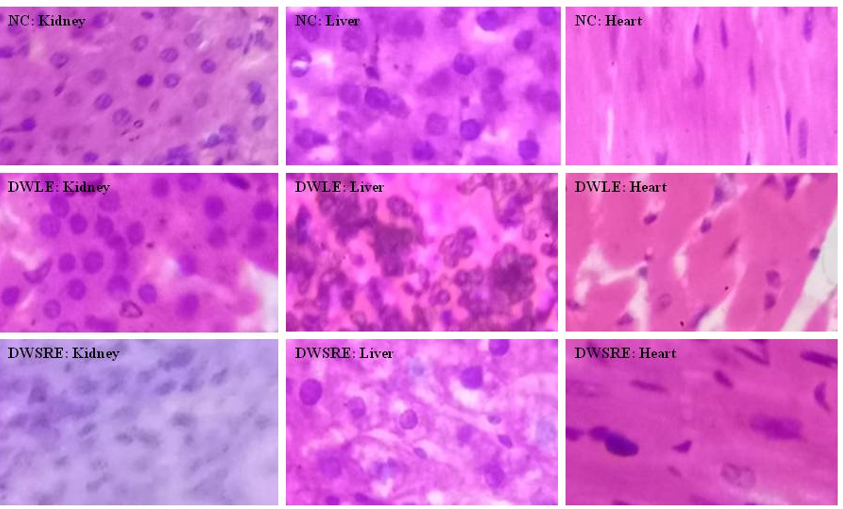
Figure 1: Evaluation of Histopathological Changes of the Vital Organs
NC: Normal Control, DWLE: Dombeya Wallichii Leaf Extract, DWSRE: Dombeya Wallichii Stem and Root Extract
Effect of DWLE and DWSRE on Body Weight
Rat groups experienced weight loss as result of diuresis. There was a significant increase (p<0.001) in urination, which, leading a notable decrease in body weight. The standard treatment resulted in 10% reduction in body weight, while the control groups experienced a 13% decrease. The most significant weight is 39% was observed with the administration of 600mg/kg dose of the ethanolic Dombeya wallichii leaf extract. In comparison to the control group all mated groups exhibited substantial reductions in body weight (Table 6).
Table 6: Effects of DWLE and DWSRE on Body Weight
|
Sr. No. |
Groups |
Doses |
Initial body weight |
Final body weight |
Body weight changes |
|
1 |
Normal control |
5 ml/100g |
253±1.82 |
240±0.11 |
13±0.02# |
|
2 |
Standard control(furosemide) |
20 mg/kg |
251±0.12 |
241±0.00 |
10±0.20 |
|
3 |
Dombeya wallichii leaf extract (DWLE) |
600 mg/kg |
251±0.32 |
212±0.01 |
39±0.00** |
|
4 |
Dombeya wallichii stem + root extract (DWSRE) |
600 mg/kg |
250±0.41 |
247±1.02 |
3±0.12** |
The results were evaluated through two-way ANOVA followed by Bonferroni's post-test and they were presented as Mean±SEM. Significance differences were denoted as *p<0.05 and **p<0.001 in comparison to both the normal control and standard control groups
Effect of DWE on Urine Outflows
The 24-hour cumulative urine output increased in all treatment groups. When compared to the control group, there was a significant (p<0.05) rise in urine volume across all groups.
The standard treatment resulted in 37.24% increase in urine volume. In contrast, the ethanolic DWLE and DWSRE at dose 600 mg/kg led to increase of 31.05% and 21.76% respectively. It is important to note that the standard treatment showed a greater increase in urine output volume compared to any ethanolic extract of DWLE and DWSRE (Table 7).
Table 7: Effect of DWLE and DWSRE on Urine Outflows
|
Group |
Treatment |
Doses |
% age saline loaded |
Urine volume (ml/6 h) |
Urine volume (ml/12 h) |
Cumulative urine volume (ml/24 h) |
|
1 |
Normal saline (0.9% N/S) |
5 ml/100g |
64.4±0.12## |
3.98±0.12# |
5.12±0.01# |
7.85±0.18## |
|
2 |
Standard control (furosemide) |
20 mg/kg |
5.39±3.1** |
5.39±0.00** |
8.13±0.35** |
12.65±0.17** 37.24% ↑ |
|
3 |
Dombeya wallichii leaf extract (DWLE) |
600 mg/kg |
4.01±0.02*** |
4.20±0.01 |
6.10±0.00*** |
11.95±0.15*** 31.05%↑ |
|
4 |
Dombeya wallichii stem + root extract (DWSRE) |
600 mg/kg |
4.05±0.11*** |
4.43±0.00 |
6.02±0.50** |
10.45±0.00**# 21.76% ↑ |
The results were evaluated through two-way ANOVA followed by Bonferroni's post-test and they were presented as Mean±SEM. Significance differences were denoted as *p<0.05 and **p<0.001 in comparison to both the normal control and standard control groups
Effect of DWE on Urine Electrolytes
The study examined the effects of different treatments on diuretic activity, pH levels and electrolyte concentrations. Notably, Dombeya Wallichii Leaf Extract (DWLE) and Dombeya Wallichii Stem + Root Extract (DWSRE) demonstrated significant diuretic activity and had notable impacts on pH, sodium, potassium and chloride levels compared to the standard control (Furosemide) and normal saline. These findings suggest potential therapeutic applications for Dombeya Wallichii extracts in modulating diuretic and electrolyte-related responses, but DWLE is more potent than DWSRE (Table 8).
Table 8: Effect of DWLE and DWSRE on Urine Electrolytes
|
Sr. No |
Groups |
Doses |
Diuretic index |
pH |
Na+ (mmol/L) |
K+ (mmol/L) |
Cl- (mmol/L) |
|
1 |
Normal saline (0.9% N/S) |
5ml/100g |
|
5.38±0.3# |
93.91±0.1# |
43.33±0.05 |
159.16±0.01# |
|
2 |
Standard control(furosemide) |
20mg/kg |
3.22±0.43 |
6.64±0.42** |
105±0.5**# |
45.6±0.02* |
192±0.67*** |
|
3 |
Dombeya wallichii leaf extract (DWLE) |
600mg/kg |
2.14±0.03# |
7.4±0.12**# |
164±4.6**# |
64.34±0.01**# |
280.6±0.00**# |
|
4 |
Dombeya wallichii stem + root extract (DWSRE) |
600mg/kg |
1.31±0.01# |
7.1±0.17**# |
108±055**# |
60.01±0.19**# |
194±0.02**# |
The results were evaluated through two-way ANOVA followed by Bonferroni's post-test and they were presented as Mean±SEM. Significance differences were denoted as *p<0.05 and **p<0.001 in comparison to both the normal control and standard control groups
Saluretic Index and Natriuretic Index of Electrolytes
Administration of the DWLE and DWSRE demonstrated an augmentation of the sodium chloride co-transporter in the distal tubule. This resulted in an increased excretion of electrolytes (Na+, K+, Cl-) and higher urine output. The Lipchitz values for DWLE are 0.97, while for DWSRE is 0.75. Saluretic index for DWLE is 1.18, while for DWSRE is 1.02.
The study evaluated the impact of different treatments on parameters such as Lipschitz value, saluretic index, natriuretic effect and ion quotient, with a focus on the levels of sodium (Na+), potassium (K+) and chloride (Cl-). Notably, the Dombeya Wallichii Leaf Extract (DWLE) and Dombeya Wallichii Stem + Root Extract (DWSRE) exhibited significant effects on these parameters compared to the standard control (Furosemide) and normal saline. These findings suggest potential therapeutic implications for Dombeya Wallichii extracts in the context of renal function and electrolyte balance. When DWLE was compared DWSRE it showed significant results (Table 9).
Table 9: Effect of DWLE and DWSRE on Saluretic Index and Natriuretic Index of Electrolytes
|
Sr. No |
Groups |
Doses |
Lipschitz value |
Saluretic index |
Natriuretic effect |
Ion quotient |
||
|
Na+ |
K+ |
Cl- |
||||||
|
1 |
Normal saline (0.9% N/S) |
5 ml/100g |
|
|
|
|
2.01±0.02# |
1.09±0.01## |
|
2 |
Standard control (furosemide) |
20mg/kg |
|
1.05 |
1.01 |
1.15 |
2.18±0.03* |
1.21±0.05** |
|
3 |
Dombeya wallichii leaf extract (DWLE) |
600mg/kg |
0.97 |
1.18 |
1.41 |
1.72 |
2.34±0.01**# |
1.18±0.01**# |
|
4 |
Dombeya wallichii stem + root extract (DWSRE) |
600mg/kg |
0.75 |
1.01 |
1.02 |
1.09 |
1.45±0.01**# |
1.05±0.01**# |
The results were evaluated through two-way ANOVA followed by Bonferroni's post-test and they were presented as Mean±SEM. Significance differences were denoted as *p<0.05 and **p<0.001 in comparison to both the normal control and standard control groups
Effect of DWE on Different Urine Parameters
Further calculations were conducted to analyze the impact of the ethanolic extract of Dombeya wallichii on various urine parameters. The DWLE leads to 35% increase in protein excretion, while exhibiting minimal influence on blood, glucose, ketones and bilirubin levels in urine. Notably, differences were observed in Urobilinogen and specific gravity levels compared to the standard drug furosemide. Urobilinogen levels were consistent at 0.5 in both the normal control group and the standard control group, yet the DWLE elevated these levels as compared to DWSRE. Similarly, group administered with DWLE displayed higher urine specific gravities (Table 10).
Table 10: Effect of DWLE and DWSRE on Different Urine Parameters
|
Sr. No |
Groups |
Doses |
Parameters |
|||||||
|
Bilirubin |
Urobilinogen |
Sugar |
Protein |
Ketones |
Nitrite |
Blood |
Specific gravity |
|||
|
1 |
Normal saline (0.9% N/S) |
5 ml/100g |
Normal |
0.5 |
Nil |
+ |
_ |
Nil |
Nil |
1.075±0.01 |
|
2 |
Standard control (furosemide) |
20 mg/kg |
Normal |
0.5 |
Nil |
+ |
_ |
Nil |
Nil |
1.082±0.00 |
|
3 |
Dombeya wallichii leaf extract (DWLE) |
600 mg/kg |
Normal |
1.0 |
Nil |
+++ |
_ |
Nil |
Nil |
1.094±0.01*# |
|
4 |
Dombeya wallichii stem + root extract (DWSRE) |
600 mg/kg |
Normal |
7 |
Nil |
+ |
_ |
Nil |
Nil |
1.072±0.00*# |
The results were evaluated through two-way ANOVA followed by Bonferroni's post-test and they were presented as Mean±SEM. Significance differences were denoted as *p<0.05 and **p<0.001 in comparison to both the normal control and standard control groups
DISCUSSION
Approximately 1.39 billion adults are affected by cardiovascular diseases, leading to roughly 10.4 million annual fatalities. Hypertension is notably the predominant contributing factor among these ailments. Hypertension is affected by various factors including genetic susceptibility, sociodemographic factors and lifestyle decisions [23]. It is concerning that data from developing countries project a potential 30 % increase in hypertension rates by the year 2025. In recent times, high-income countries have seen a notable reduction in the occurrence of hypertension, while low- and middle-income nations have experienced a substantial increase in the prevalence of this condition [24].
Failure to adequately control hypertension can lead to a variety of cardiovascular complications, including strokes, myocardial infarctions (heart attacks), ischemic events, retinal problems and kidney issues. The utilization of modern medications to manage clinical hypertension is frequently accompanied by a spectrum of side effects, which may encompass fatigue, bradycardia (a slower heart rate), postural hypotension (a decrease in blood pressure upon standing), cold extremities, depressive tendencies and nausea [25]. Modifying one's lifestyle and dietary choices, along with the incorporation of natural remedies, hold promise as substitutes for synthetic drugs when addressing mild to moderate hypertension Ethnobotanical studies are pivotal in the quest for novel therapeutic solutions. The existing body of knowledge highlights that about 40% of modern pharmaceuticals trace their origins to the natural world, with a significant emphasis on compounds derived from plants [26].
The modulation of vascular tone involves a range of functional components, including nitric oxide (NO), the renin-angiotensin-aldosterone system (RAAS), the sympathetic nervous system (SNS), reactive oxygen species (ROS), potassium channels and calcium ions. Any disruption in the balance of these elements can lead to an increase in blood pressure. Nitric oxide (NO), cardiac output and peripheral vascular resistance (PVR) play critical roles in the onset of hypertension. A decrease in NO levels can result in endothelial dysfunction and oxidative stress. In experimental animal models, L-NAME is a commonly used method to induce NO deficiency [27].
Using two distinct assays, namely H2O2 and DPPH, the antioxidant activity of Dombeya wallichii Leaf Extract (DWLE) and Dombeya wallichii Stem + Root Extract (DWSRE) was evaluated. The results were expressed in terms of IC50 values, which are the concentrations needed to inhibit 50% of the oxidative activity and are measured in micrograms per milliliter, or ug/mL. With an IC50 value of 228.59 ± 0.99 ug/mL for the H2O2 experiment, DWLE demonstrated a more potent inhibitory action against oxidative stress generated by hydrogen peroxide. Conversely, DWSRE exhibited a moderate level of antioxidant potential, as evidenced by its IC50 value of 189.09 ± 0.23 ug/mL. With an IC50 value of 195.98 ± 0.97 ug/mL in the DPPH experiment, DWLE demonstrated a greater ability to scavenge DPPH radicals. Conversely, DWSRE had a moderate ability to scavenge DPPH radicals, as evidenced by its IC50 value of 179.62 ± 0.26 ug/mL. Ascorbic acid, on the other hand, demonstrated a greater IC50 value of 139.62 ± 0.76 ug/mL, indicating its enhanced ability to neutralize DPPH radicals. In conclusion, both DWLE and DWSRE showed modest antioxidant activity in the H2O2 and DPPH tests; nevertheless, their potency was less than that of ascorbic acid, a known antioxidant.
This study explores diuretic effects in rat models, with furosemide as the benchmark drug. Standardizing crude drugs is fundamental, where maintaining minimal moisture levels is crucial to prevent chemical deterioration and microbial contamination [28]. Flavonoids play a significant role in protecting against free radicals, hepatotoxins, bacteria, tumors, ulcers, inflammation, platelet aggregation, allergies and viruses [29].
Polyphenolic compounds in Dombeya wallichii offer beneficial qualities, including anti-inflammatory, antimicrobial, antioxidant and hormone-modulating effects. Initial proximate analysis is vital to understand the herb's characteristics. High-performance liquid chromatography (HPLC) confirmed the presence of various compounds, including chlorogenic acid, p-coumaric acid, HB acid and salicylic acid in both DWLE and DWSRE. Notably, chlorogenic acid and salicylic acid were found in higher concentrations than other constituents.
To assess the diuretic properties of the ethanolic extract of Dombeya wallichii, DWLE and DWSRE were orally administered to different groups and compared to a standard drug and each other. Various parameters were evaluated, including excretion following saline loading, total urine excretion and the excretion of specific electrolytes, such as sodium (Na+), potassium (K+) and chloride (Cl-). DWLE notably increased the excretion of electrolytes, including Na+, K+ and Cl-, compared to DWSRE. Both extracts significantly enhanced urine excretion compared to the normal group, indicating a prominent diuretic effect associated with Dombeya wallichii's ethanolic extract.
The diuretic effect of DWLE was potent, with no simultaneous decrease in urinary potassium (K+) levels or observable urine alkalization. These results collectively suggest that DWLE lacks potassium-sparing diuretic properties and is unlikely to act as a thiazide diuretic. Thiazide diuretics typically increase urinary potassium (K+) levels and alter the urinary sodium (Na+) to potassium (K-) ratio, which was not observed in this study, where both urinary Na+ and K+ levels were elevated with no significant change in the Na+/K+ ratio.
Observations also indicated a slight acidification of urine, suggesting that DWLE exhibits properties akin to loop diuretics, known for their potent diuretic effects achieved by inhibiting the sodium (Na+), potassium (K+) and chloride (Cl-) co-transport system in the nephron's ascending loop. This leads to increased sodium (natriuresis) and potassium (kaleuresis) excretion. Dombeya wallichii phytochemically contains N-isobutylamides, alkaloids and amino acids. As amino acids are reabsorbed and lack diuretic properties, the diuretic effects of the ethanolic DWLE are likely attributed to its alkaloid content.
In clinical settings, loop diuretics are commonly prescribed for conditions involving fluid and water accumulation [30]. The mechanism of action of DWLE suggests it could serve as a safe and natural alternative for these ailments, especially in traditional medicine. DWLE's rapid onset and sustained diuretic effects make it an attractive option, potentially reducing the need for frequent dosing. However, it's important to note a drawback, an increased risk of hypokalemia, which is also associated with other loop diuretics.
The study strongly supports DWLE's substantial diuretic effects compared to DWSRE, attributed to its antioxidant properties and defensive mechanisms. These effects appear dose-dependent across leaves, stem and roots. Toxic outcomes were assessed through clinical signs and toxicity indicators, with no significant behavioral changes observed during the initial 30 minutes post-DWLE administration. This indicates the normal processing of essential nutrients and normal physiological function.
CONCLUSIONS
In conclusion, this study sheds light on the global issue of cardiovascular diseases, with hypertension being a significant contributor affecting a large adult population worldwide. The projected 30% rise in hypertension rates in developing countries by 2025 underscores the urgency of addressing this health challenge. Conventional hypertension medications, while effective, often bring unwanted side effects, emphasizing the need for alternative approaches. The research on Dombeya wallichii, a tropical African plant, offers potential natural remedies for conditions like hypertension. The study suggests the promising diuretic effects of Dombeya wallichii ethanolic leaf extract (DWLE) in managing heart failure and hypertension compared to DWSRE (Dombeya wallichii stem and root extract). Nonetheless, the potential risk of hypokalemia merits further investigation.
REFERENCES
- Flint, A.C. et al. “Effect of systolic and diastolic blood pressure on cardiovascular outcomes.” 2019, vol. 381, no. 3, pp. 243–251.
- Staessen, J.A. et al. “Essential hypertension.” The Lancet, vol. 361, no. 9369, 2003, pp. 1629–1641.
- Stickel, S. et al. “The practical management of fluid retention in adults with right heart failure due to pulmonary arterial hypertension.” 2019, vol. 21, Supplement K, pp. K46–K53.
- Nagai, M. et al. “Denervation or stimulation? Role of sympatho-vagal imbalance in HFpEF with hypertension.” Hypertension Research, 2023, pp. 1–11.
- Joshi, S. et al. “Plant-based diets and hypertension.” American Journal of Lifestyle Medicine, vol. 14, no. 4, 2020, pp. 397–405.
- Stalin, N. and P.S. Swamy. “Screening of phytochemical and pharmacological activities of syzygium caryophyllatum (L.) alston.” Clinical Phytoscience, vol. 4, no. 1, 2018.
- Gao, H. et al. “Bufadienolides and their antitumor activity.” Natural Product Reports, vol. 28, no. 5, 2011, pp. 953–969.
- Saleem, U. et al. “Physicochemical and phytochemical analysis of euphorbia helioscopia (L.).” Pakistan Journal of Pharmaceutical Sciences, vol. 27, no. 3, 2014.
- Khan, F.S. et al. “Therapeutic response of elaeagnus parvifolia’s hydroethanolic extract to restore the antioxidant potential, hepatoprotective and renoprotective effects.” 2023, vol. 30, no. 18, pp. 1646–1657.
- Sharif, S. et al. “Phenolics, tocopherols and fatty acid profiling of wild and commercial mushrooms from pakistan.” Journal of Biological Regulators and Homeostatic Agents, vol. 32, no. 4, 2018, pp. 863–867.
- Ayub, M.A. et al. “Variation in phenolic profile, β-carotene and flavonoid contents, biological activities of two tagetes species from Pakistani flora.” Chemistry & Biodiversity, vol. 14, no. 6, 2017, p. e1600463.
- El Nahrawy, A.M. et al. “Microstructure and antimicrobial properties of bioactive cobalt co-doped copper aluminosilicate nanocrystallines.” 2020, vol. 12, no. 10, pp. 2317–2327.
- Carballo, T. et al. “Characterization of different compost extracts using fourier-transform infrared spectroscopy (FTIR) and thermal analysis.” 2008, vol. 19, no. 6, pp. 815–830.
- Bahmanzadagan, A. et al. “Bioactive compounds of citrus aurantifolia wastes by high-performance liquid chromatography analysis.” 2023, pp. 1–3.
- Oshkondali, S.T. et al. Scholars Academic Journal of Pharmacy. 2019.
- Naseem, Z. et al. “Environmentally friendly extraction of bioactive compounds from mentha arvensis using deep eutectic solvent as green extraction media.” Polish Journal of Environmental Studies, vol. 29, no. 5, 2020, pp. 3749–3757.
- Ratnasooriya, W.D. et al. “Diuretic activity of spilanthes acmella flowers in rats.” Journal of Ethnopharmacology, vol. 91, no. 2, 2004, pp. 317–320.
- Nedi, T. et al. “Diuretic effect of the crude extracts of carissa edulis in rats.” Journal of Ethnopharmacology, vol. 95, no. 1, 2004, pp. 57–61.
- Asif, M. et al. “Diuretic activity of trianthema portulacastrum crude extract in albino rats.” 2013, vol. 12, no. 6, pp. 967–972.
- Asif, M. et al. “Diuretic activity of trianthema portulacastrum crude extract in albino rats.” Tropical Journal of Pharmaceutical Research, vol. 12, no. 6, 2013, pp. 967–972.
- Baer, J. et al. “The potassium-sparing and natriuretic activity of N-Amidino-3,5-Diamino-6-Chloropyrazinecar-boxamide hydrochloride dihydrate (amiloride hydrochloride).” 1967, vol. 157, no. 2, pp. 472–485.
- Garcia, R. et al. “Relationship of specific granules to the natriuretic and diuretic activity of rat atria.” Experientia, vol. 38, no. 9, 1982, pp. 1071–1073.
- Humbert, M. et al. “Treatment of pulmonary arterial hypertension: Recent progress and a look to the future.” The Lancet Respiratory Medicine, 2023.
- Matsumoto, C. et al. “Long covid and hypertension-related disorders: A report from the Japanese society of hypertension project team on covid-19.” Hypertension Research, vol. 46, no. 3, 2023, pp. 601–619.
- Theodoridis, X. et al. “Adherence to the DASH diet and risk of hypertension: A systematic review and meta-analysis.” Nutrients, vol. 15, no. 14, 2023, p. 3261.
- Desai, A.S. et al. “Zilebesiran, an RNA interference therapeutic agent for hypertension.” New England Journal of Medicine, vol. 389, no. 3, 2023, pp. 228–238.
- Vladimirovna, S.V. “Pathogenetic relationships of arterial hypertension and insulin resistance.” IQRO, vol. 2, no. 1, 2023, pp. 685–691.
- Ho, K.M. and B. Power. “Benefits and risks of furosemide in acute kidney injury.” Anaesthesia, vol. 65, no. 3, 2010, pp. 283–293.
- Havsteen, B.H. “The biochemistry and medical significance of the flavonoids.” Pharmacology & Therapeutics, vol. 96, no. 2–3, 2002, pp. 67–202.
- Oh, S.W. and S.Y. Han. “Loop diuretics in clinical practice.” Electrolytes & Blood Pressure: E & BP, vol. 13, no. 1, 2015, pp. 17.