
International Journal of Clinical and Medical Research
ISSN Print: N/A
ISSN Online: 3134-8831
About: International Journal of Clinical and Medical Research (IJCMR) is an open-access, peer-reviewed journal dedicated to the publication of high-quality research in the field of clinical and medical sciences. The journal aims to provide a platform for researchers, clinicians, and healthcare professionals to share knowledge, exchange ideas, and promote scientific advancement in healthcare.
Publisher Responsibility
Lumina Quest Publishing is responsible for providing the journal with the necessary publishing infrastructure, editorial support, production services, digital preservation, and dissemination of published content. The publisher supports transparent and ethical publishing practices and ensures that the journal’s publishing operations are conducted in accordance with applicable scholarly publishing standards.
The publisher is also responsible for maintaining the journal’s website, publication systems, archiving arrangements, and administrative support while respecting the independence of editorial decision-making.
Editorial Responsibility
The Editor-in-Chief and Editorial Board are responsible for maintaining the academic and scientific quality of the journal. The editorial team oversees the evaluation of submitted manuscripts, selection and coordination of peer reviewers, editorial assessment and decisions, and adherence to the journal’s scope and ethical standards.
Editorial decisions are made independently on the basis of academic quality, originality, methodological soundness, relevance, and ethical compliance, without inappropriate influence from the publisher, authors, reviewers, or commercial interests.
Editorial Independence
The editorial team maintains editorial independence in all decisions concerning manuscript evaluation, peer review, acceptance, revision, and rejection. The publisher does not interfere with the academic judgment of editors or reviewers.
International Journal of Clinical and Medical Research | Year 2024 | Volume 1 | Issue 1 | Pages 46-49
Antibacterial Activity of Aqueous Extracts of Common Mistletoe against Clinical Bacterial Isolates
Saad Hameed Abood1 , Liwaa Abed Shihab 2*, Ahmed Sattar Abood3, Thanoon Yahya AL-Azzawi4 and Ghufran Hammoodi Abed51,2,3,4Department of Biology, Al-Iraqia University, College of Education, Baghdad, Iraq
55Ministry of Health, Baghdad Health Directorate - Al-Karkh, Baghdad, Iraq
View PDF Download XML Download DOI XML DOI: 10.66590/ijcmr2024010104
Abstract
This study was conducted at the Iraqi University, College of Education, between March 1, 2021, and June 1, 2021. Three clinical bacterial isolates, namely Staphylococcus aureus, Klebsiella pneumoniae, and Acinetobacter baumannii, were obtained from wound and burn swabs collected at Baghdad Medical City Hospital. The bacterial isolates were cultured on MacConkey agar to ensure purity and incubated at 37°C for 24 hours. The antibacterial activity of both hot and cold aqueous extracts of common mistletoe was evaluated against the selected bacterial isolates using the agar well diffusion method. Five different concentrations of the extracts were tested: 1 g, 0.8 mg, 0.6 mg, 0.4 mg, and 0.2 mg. The results demonstrated that the hot aqueous extract exhibited significant inhibitory activity against Klebsiella pneumoniae and Acinetobacter baumannii. The 1 g concentration showed the highest antibacterial activity, while the 0.8 mg concentration demonstrated moderate inhibitory effects against both organisms. The 0.6 mg concentration showed moderate activity only against Acinetobacter baumannii and no activity against Klebsiella pneumoniae or Staphylococcus aureus. Lower concentrations (0.2 mg and 0.4 mg) did not exhibit any inhibitory effect on bacterial growth. In contrast, the cold aqueous extract showed no antibacterial activity against any of the tested isolates.
INTRODUCTION
Common mistletoe is a vascular plant belonging to the genus Viscum of the family Viscaceae according to modern classifications. It belongs to the order Santalales and typically ranges in diameter from 25–50 cm, although it may reach up to 150 cm. The plant is known for its various medicinal properties, and aqueous extracts of European mistletoe have been widely used for decades in alternative medicine, particularly in Germany, Austria, and Switzerland [1].
Due to its recognized medicinal importance, common mistletoe was selected in this study to evaluate its inhibitory effects against several pathogenic bacterial species. One of the tested organisms was Klebsiella pneumoniae, which accounts for approximately 95% of the clinical isolates within the genus Klebsiella. Klebsiella pneumoniae is considered a major cause of community-acquired bacterial respiratory infections and is associated with acute pneumonia, bronchitis, otitis, wound infections, meningitis, and certain forms of croup [2].
The study also included Staphylococcus aureus, a pathogenic bacterium responsible for a variety of infections such as wound infections, boils, pustules, impetigo, ulcers, and infections related to burns and surgical wounds [3].
In addition, Acinetobacter baumannii was investigated because of its clinical significance as an opportunistic pathogen associated with numerous healthcare-related infections. These include bloodstream infections, ventilator-associated pneumonia, surgical site infections, urinary tract infections, cholangitis, meningitis, peritonitis, skin and wound infections, infective endocarditis, and ventriculitis [4].
This study aims to reveal the effect of the aqueous extract of common mistletoe in inhibiting some bacterial species that cause burns and wounds in human Klebsiella pneumoniae, Staphylococcus aureus and Acinetobacter baumannii which were isolated from wounds and burns.
METHODOLOGY
Isolation and Identification of Bacteria
Bacterial isolates were identified by studying the general culturing characteristics of the colonies growing on the medium of blood agar, Mannitol salt agar, and Macconkey agar, and then the appearance of colony shapes was studied and determined on the basis of hemolysis type, color, shape, and size, as well as observing other general characteristics such as utilize of mannitol sugar and growth with a high salt concentration, as well as the use of some biochemical tests such as oxidase and catalase tests, then the diagnosis was confirmed using the Vitec system [5].
Preparation of Aqueous Extract of Common Mistletoe
Two extracts of common mistletoe were prepared, one using hot water and the other using cold water, by following methods:-
- 10 gm of common mistletoe was weighed and then placed in a glass beaker, fifty ml of cold water was added, and 10 gm of common mistletoe was also weighed and transferred to another glass beaker, and 50 ml of hot water was added
- The two extracts were placed in a water bath for 10 minutes and then left for 24 hours
- The two extracts were precipitated using a centrifuge for 10 minutes and 3000 revolutions per minute, after which the filtered extract was taken while leaving and ignoring the precipitate formed in the tube
Prepare Different Concentrations of Common Mistletoe Extract in Cold and Hot Water
Five different concentrations of the aqueous extract of common mistletoe were prepared according to the method of Mitscher and his group [6], which was prepared by adding water to the concentrated common mistletoe solution and we obtained the following five concentrations: 1gm, 0.8mg, 0.6mg, 0.4mg, 0.2 mg. Which then tests the inhibitory activity of the aqueous extract of the common mistletoe plant against isolated types of pathogenic bacteria.
RESULTS AND DISCUSSION
An antimicrobial efficacy test of hot and cold aqueous extract of common mistletoe was conducted against Staphylococcus aureus, Klebsiella pneumoniae and Acinetobacter baumannii isolated from wounds and burns by agar well diffusion method.
The results presented in Table 1 show a high inhibitory activity of the hot aqueous extract against Acinetobacter baumannii and K.pneumoniae as in Figures 1 and 3, depending on the size of the diameters of the inhibition zones.
Table 1: Shows the Effectiveness of the Hot Aqueous Extract of Common Mistletoe Against some Pathogenic Bacterial Isolates
|
0.2 mg |
0.4 mg |
0.6 mg |
0.8 mg |
1 gm |
Type of bacteria |
|
R |
R |
R |
S |
S |
Klebseilla pneumoniae |
|
R |
R |
R |
R |
R |
staphylococcus aureus |
|
R |
R |
S |
S |
S |
Acinetobacter baumannii |
.
The results showed that the concentration (1gm) is more concentrations were effective towards the bacteria, where the diameter of the inhibition zone was more than 16 mm, except for Staphylococcus aureus. The aqueous extract did not show any effect in inhibiting its growth, as it was characterized by its strong resistance to the extract as shown in Figure 5.
The results of this study differ from the results reached by the researcher [7], which indicated the high effectiveness of the aqueous extract of common mistletoe against Staphylococcus aureus [7]. This also does not agree with the results that appeared in our study, while the concentration of 0.8 mg showed intermediate activity against Klebsiella pneumoniae and Acinetobacter baumannii, and the diameters of the inhibition zones were 12 mm, while the concentration of 0.6 mg also had a medium activity against Acinetobacter. The diameter of the inhibition zone was 10 mm, and it did not show any activity against Klebsiella pneumoniae and Staphylococcus aureus. The results showed that concentrations of 0.2 mg and 0.4 mg did not show any effectiveness in inhibiting the growth of any type of bacterial isolate.
The results presented in Table 2 show the lack of inhibitory activity of cold aqueous extract of common mistletoe towards any type of bacterial isolates used in the study as in Figures 2, 4 and 6.
Table 2: Shows the Effectiveness of the Cold Aqueous Extract of Common Mistletoe against Some Pathogenic Bacterial Isolates
|
0.2 mg |
0.4 mg |
0.6 mg |
0.8 mg |
1 gm |
Type of bacteria |
|
R |
R |
R |
R |
R |
Klebseilla pneumonia'e |
|
R |
R |
R |
R |
R |
staphylococcus aureus |
|
R |
R |
R |
R |
R |
Acinetobacter bawmanii |
.
In general, it is noted that the effect of medicinal plant compounds on microorganisms varies depending on the plant extract concentrations used and the number of bacteria under examination. The difference in place and time in the methods of extraction and concentrations of extracts used in each study may have a role in the difference in the effect of single plant extracts in several studies.
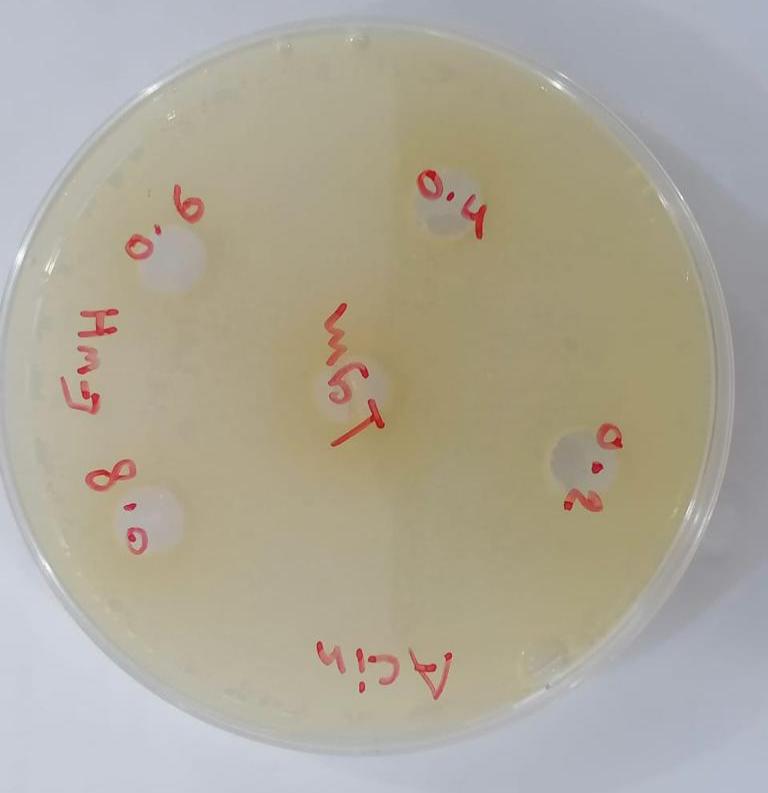
Figure 1: The Inhibition Activity of the Hot Aqueous Extract of Common Mistletoe Against Acenitobater Bawmanii
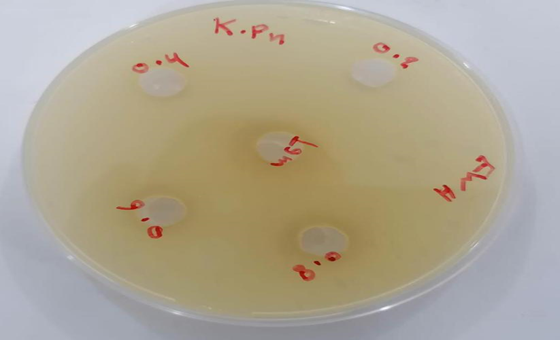
Figure 2: The Inhibition Activity of the Cold Aqueous Extract of Common Mistletoe Towards Acenitobater Bawmanii
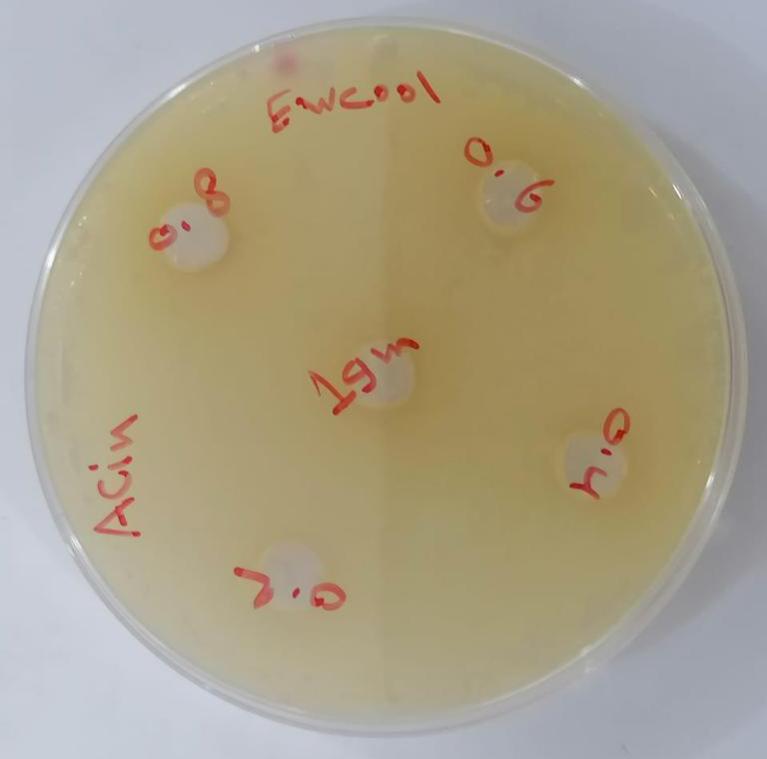
Figure 3: The Inhibiting Activity of the Hot Aqueous Extract of Common Mistletoe K.pneumoniae
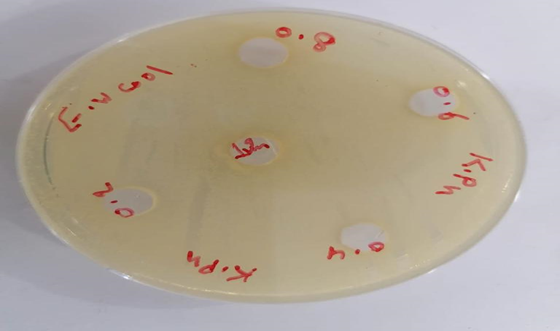
Figure 4: The Inhibition Activity of Cold Aqueous Extract of Common Mistletoe against K.pneumoniae
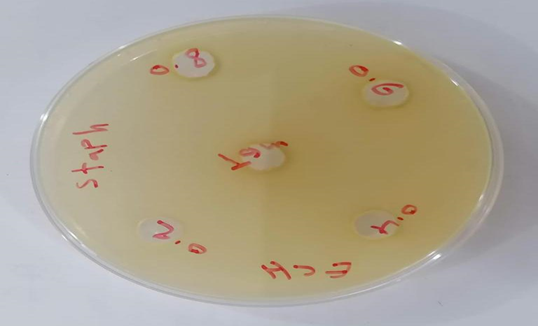
Figure 5: The Inhibition Activity of the Hot Aqueous Extract of Common Mistletoe against S.aureus
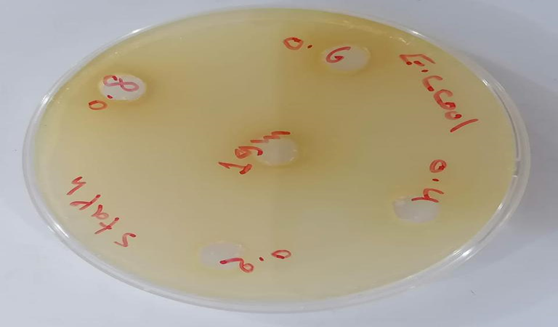
Figure 6: Shows The Inhibition Activity of Cold Aqueous Extract of Common Mistletoe against S.aureus
REFERENCES
- Zuber, D. “Biological flora of central Europe: Viscum album L.” Flora Morphology, Distribution, Functional Ecology of Plants, vol. 199, no. 3, 2004, pp. 181–203.
- Benson. “Microbiological Application.” 8th ed., The McGraw-Hill Companies, USA, 2001.
- Tille, P.M. “Bailey and Scott's Diagnostic Microbiology.” 13th ed., Mosby, Inc., an affiliate of Elsevier Inc., 2014.
- Shea, O.M.K. “Acinetobacter in modern warfare.” International Journal of Antimicrobial Agents, vol. 39, no. 5, 2012, pp. 363–375.
- Alexander, S.K. et al. “Laboratory Exercises in Organisms and Molecular Microbiology.” The McGraw-Hill Company, USA, 2004.
- Mitscher, L.A. et al. “Antimicrobial agents from higher plants.” Lioydia, vol. 35, 1972, pp. 157–166.
- Salem, D.K. “Study of the inhibitory effect of ginger extract and mistletoe against the growth of some pathogenic bacterial and fungal species.” Tikrit Journal of Pure Sciences, vol. 22, no. 5, 2017.